Hollywood, FL · Garage Door Service
Local garage door repair for Hollywood, FL homes built 1953-2005. We know the torsion hardware, the tract-era panels, and the neighborhoods from Park East to Emerald Hills.
What We Do
From a snapped spring to a full door replacement - one local crew, upfront pricing.
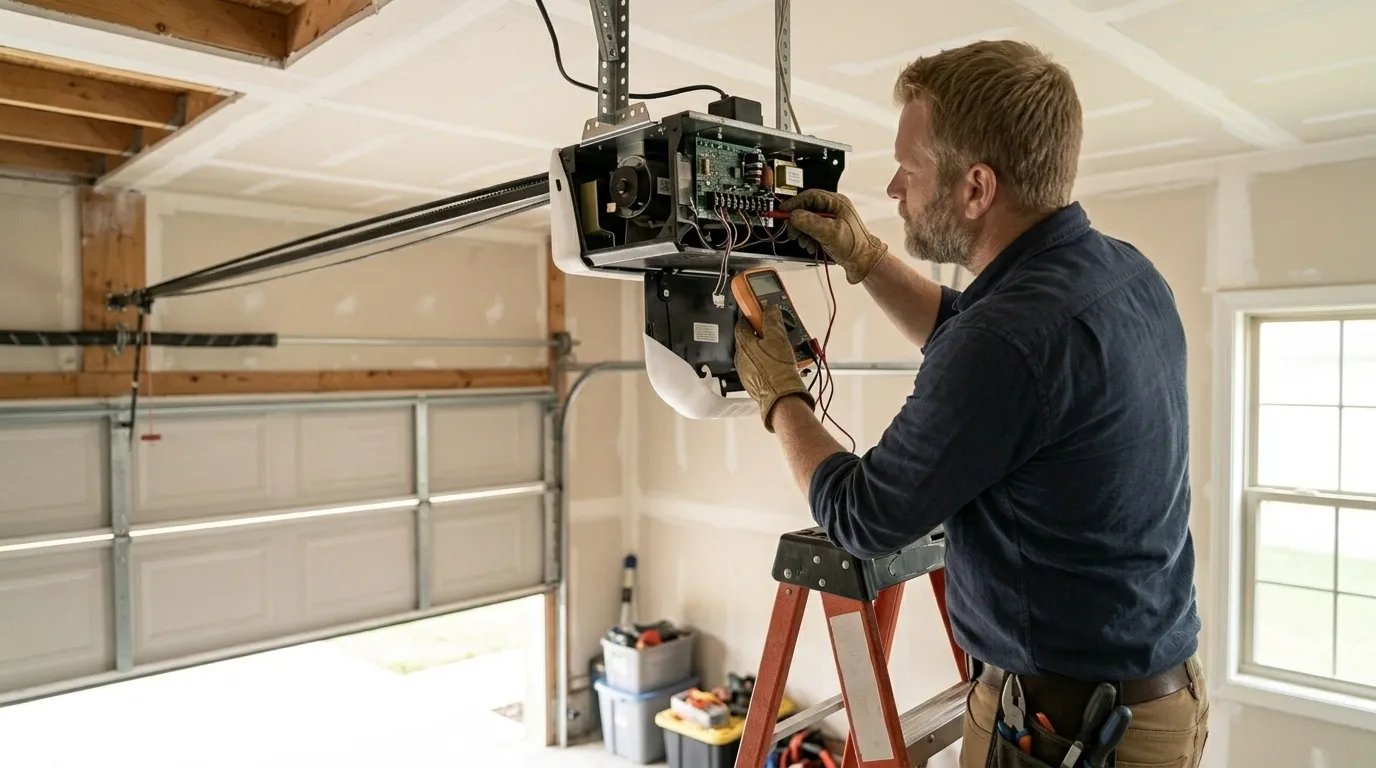
Off-track doors, snapped cables, bent panels and grinding openers - diagnosed and fixed.
Learn more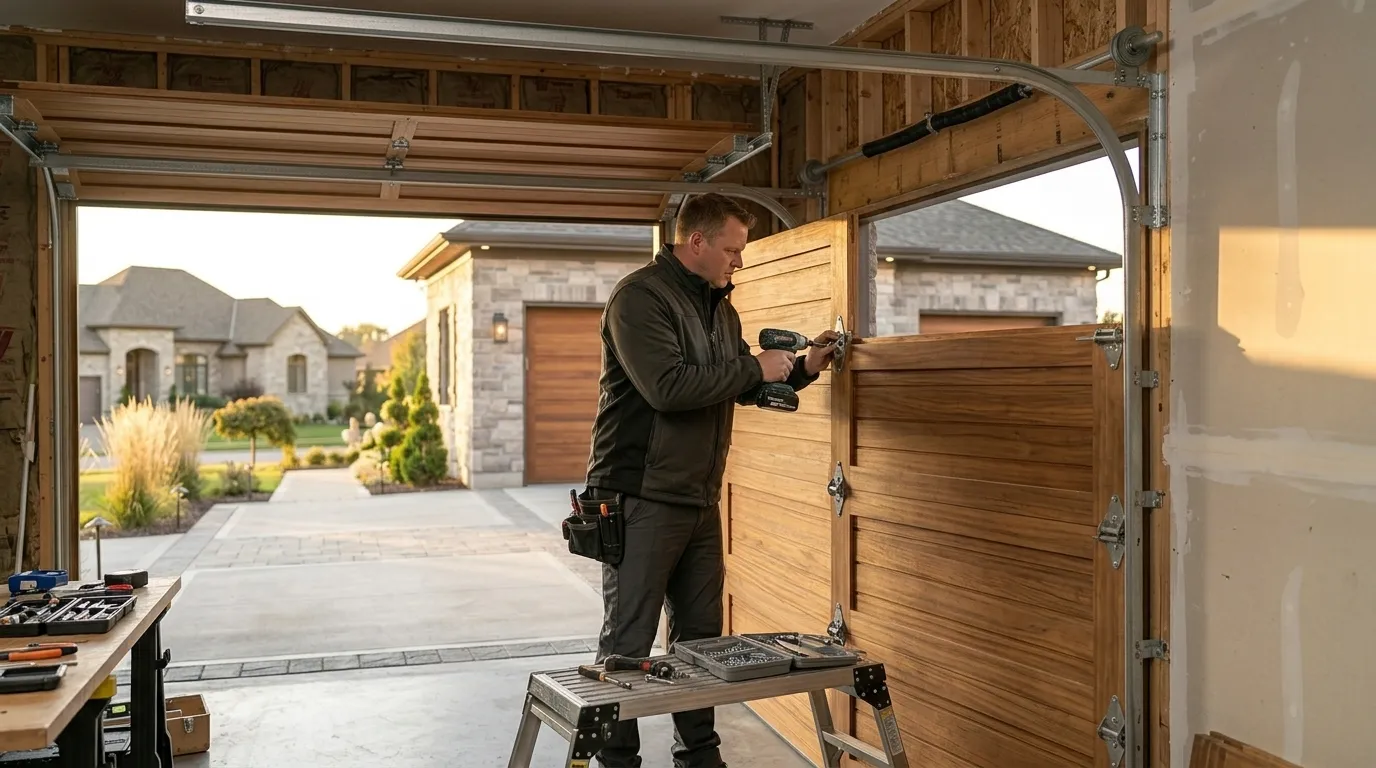
Torsion and extension springs replaced safely - the job you should never DIY.
Learn more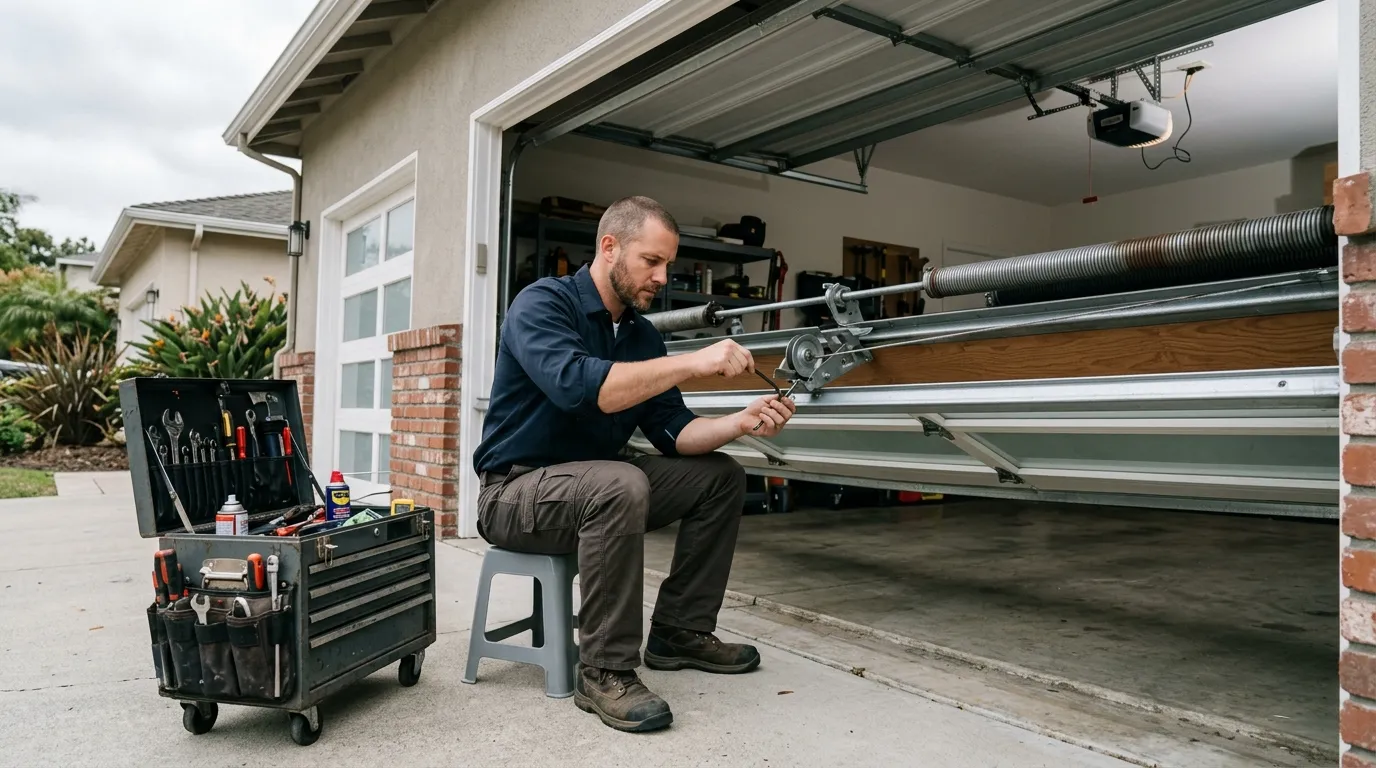
Chain, belt and screw-drive openers, safety sensors and rolling-code remotes.
Learn more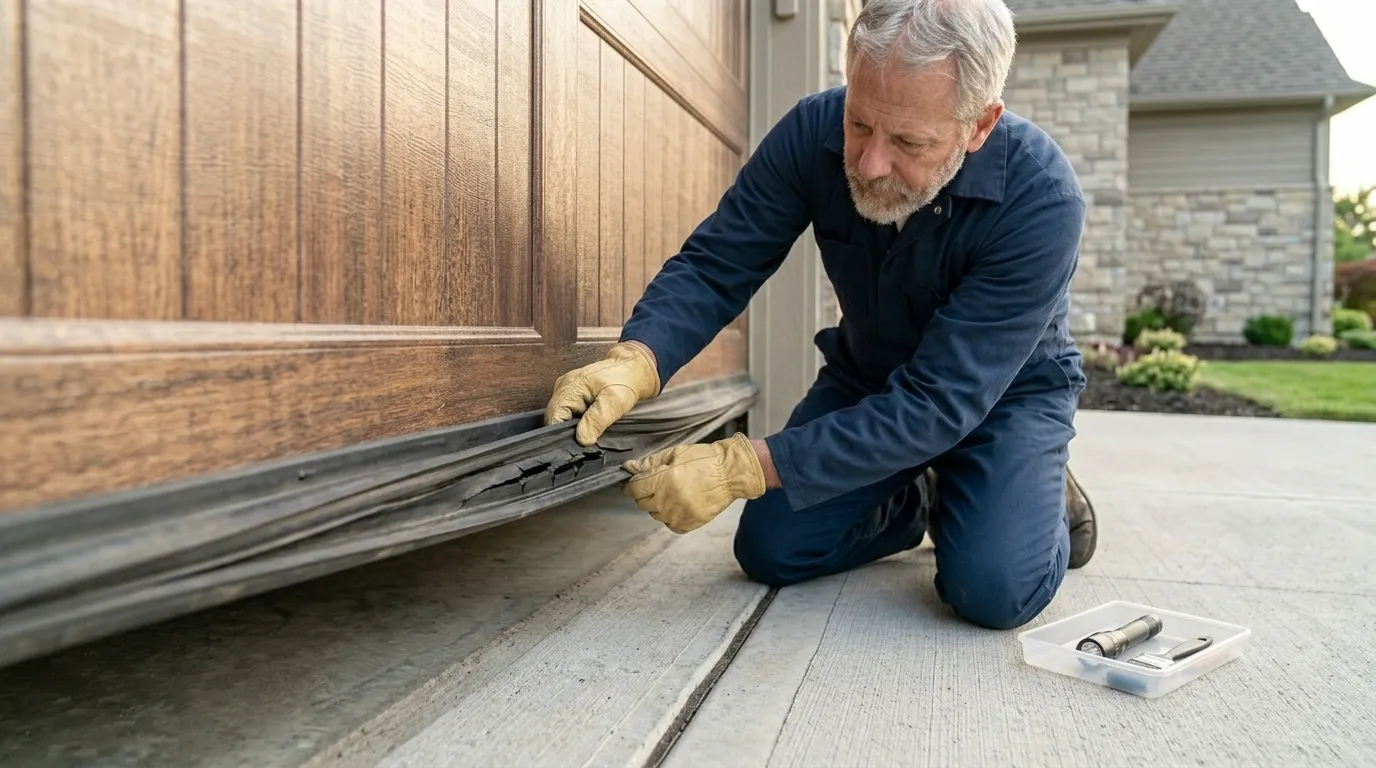
New openers sized to your door, wired, programmed and safety-tested.
Learn more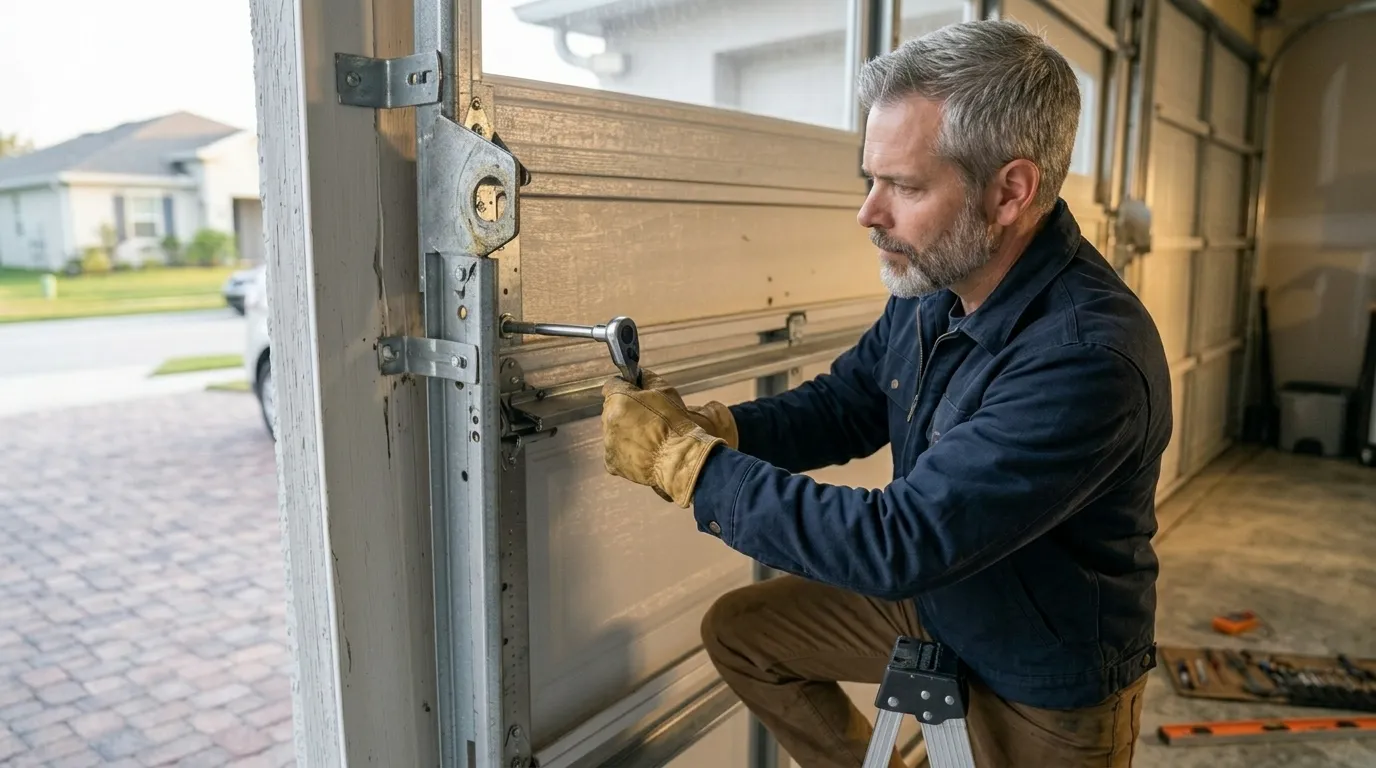
Frayed or snapped lift cables replaced and balanced against the springs.
Learn more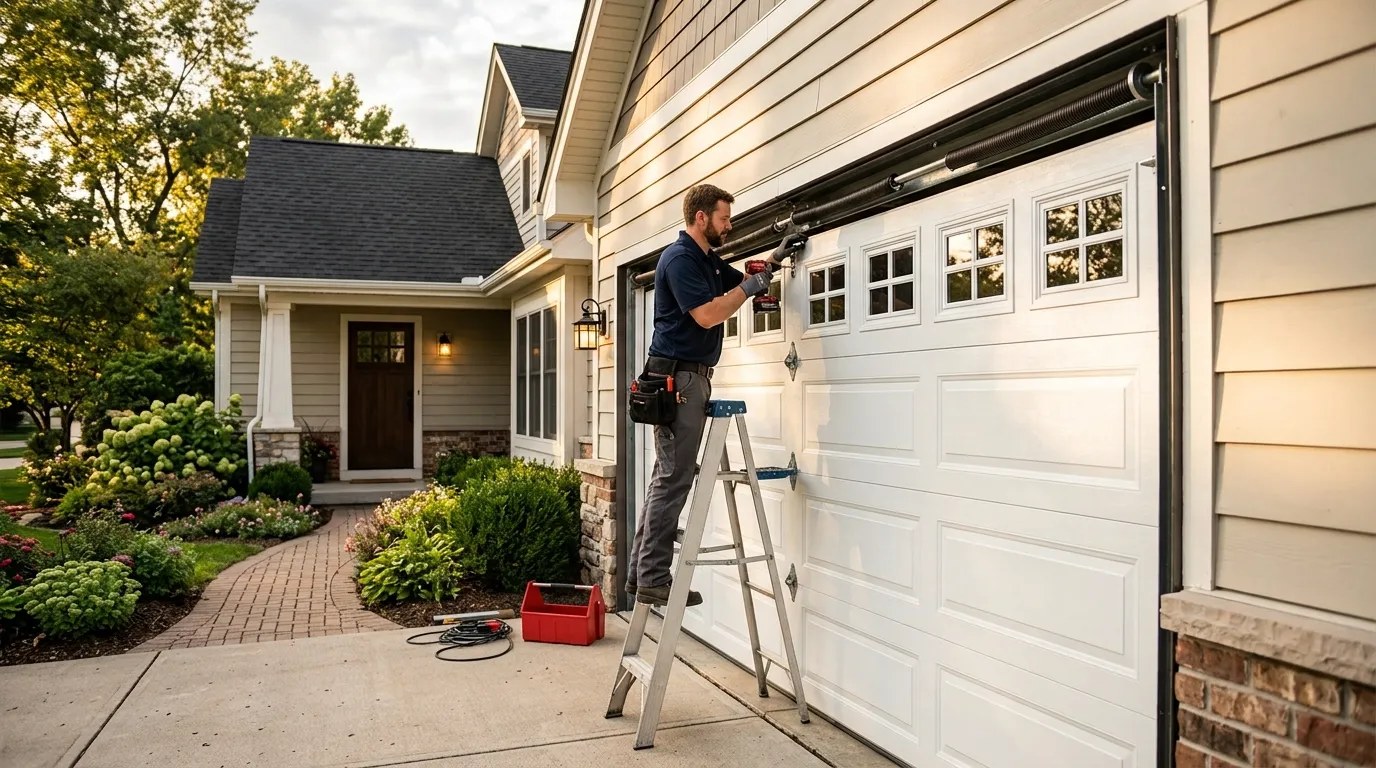
Spring tension, roller and track service that keeps an older door running quiet.
Learn moreFast Response
A stuck or broken garage door can't wait. Call before the afternoon and we can usually be out the same day - most repairs are diagnosed and finished on the first visit, with an upfront price before any work starts.
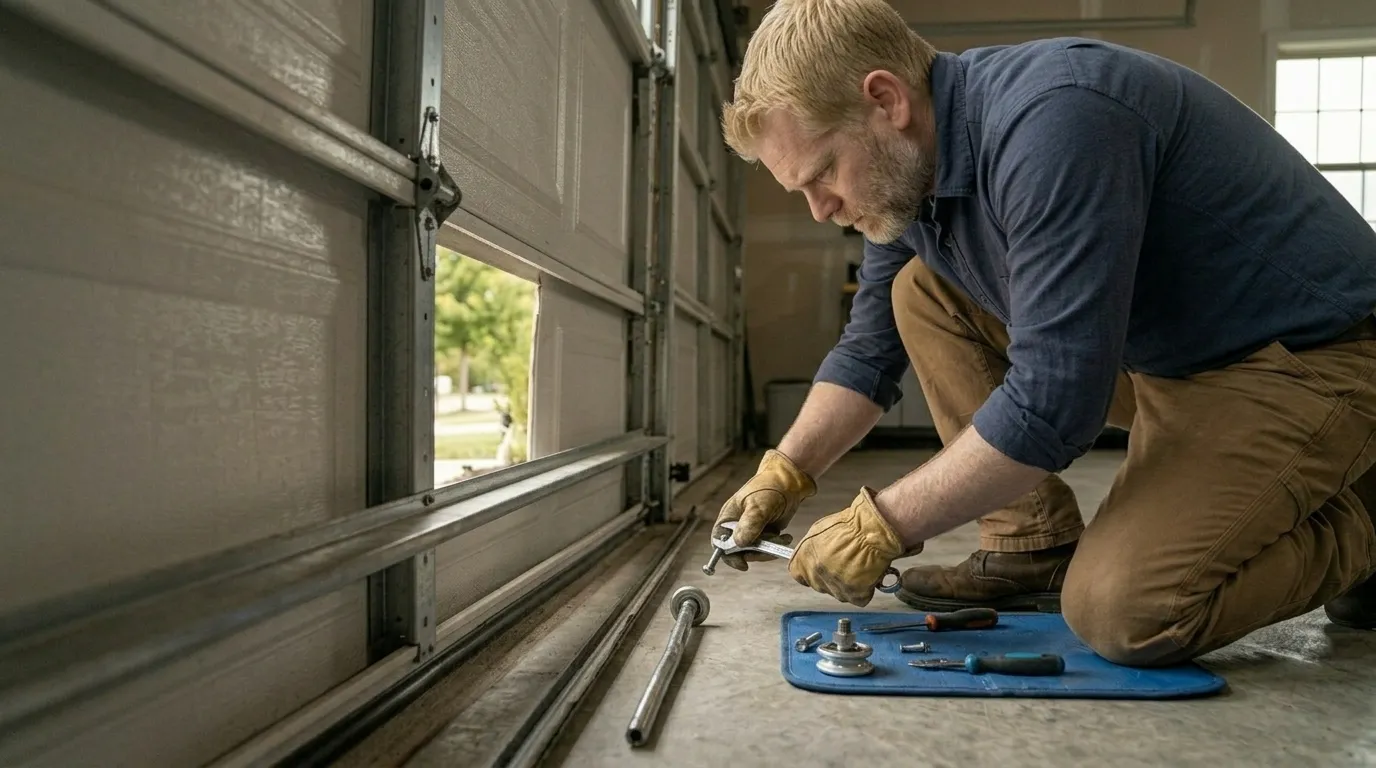 Same-day service
Why Hollywood Calls Us
Most repair calls are handled the same or next day - springs and openers don't wait.
Trained techs, proper spring tools, and the insurance to back the work.
A written quote at the door before any work starts - no surprise add-ons.
We diagnose the actual cause, not just the symptom, so the door stays fixed.
Fully stocked trucks mean most repairs are finished on the first visit, no second trip.
A Hollywood-based team you can reach directly, not a national call center.
How It Works
Call or request a quote and describe what the door is doing - noise, off-track, won't open.
A tech inspects the springs, tracks, opener and panels and gives you a written price first.
Most repairs are done on the same visit; installs are scheduled around you.
Our Work
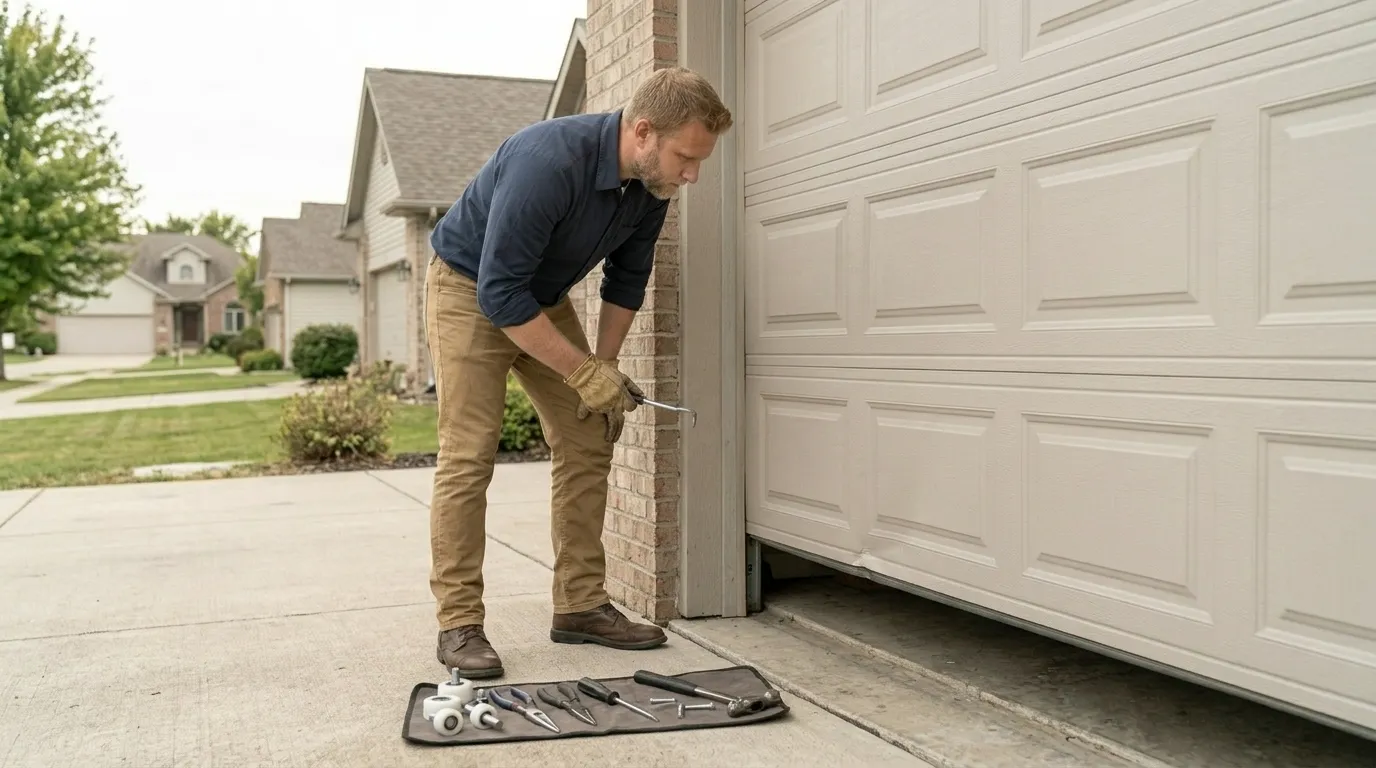
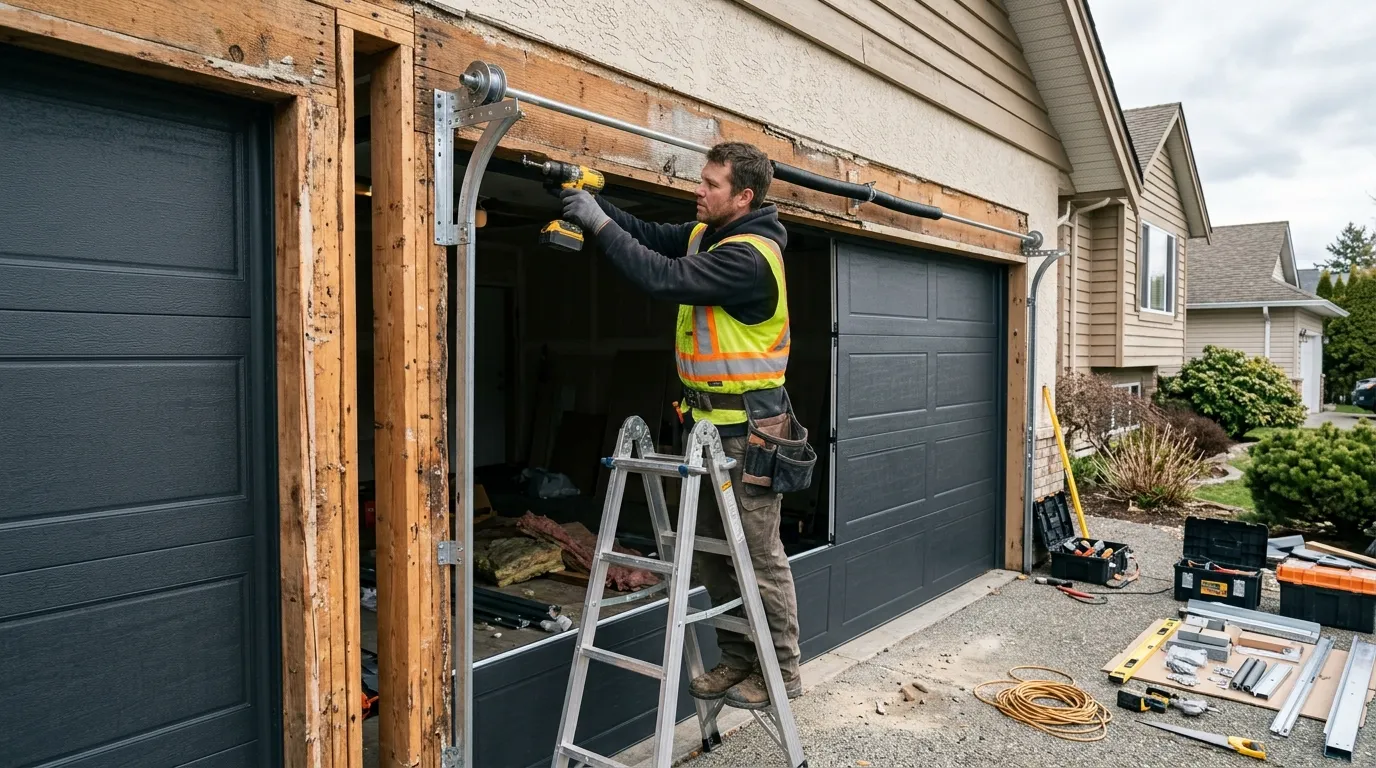
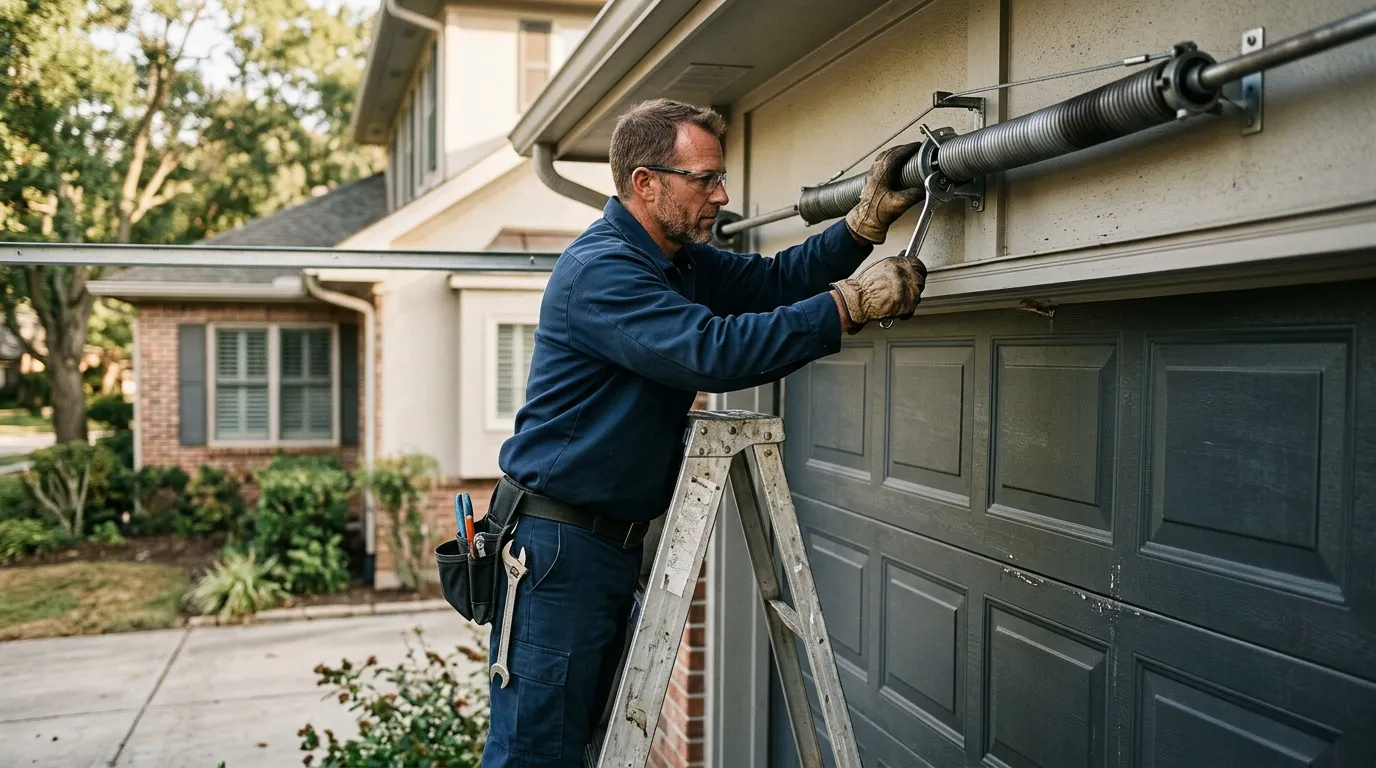
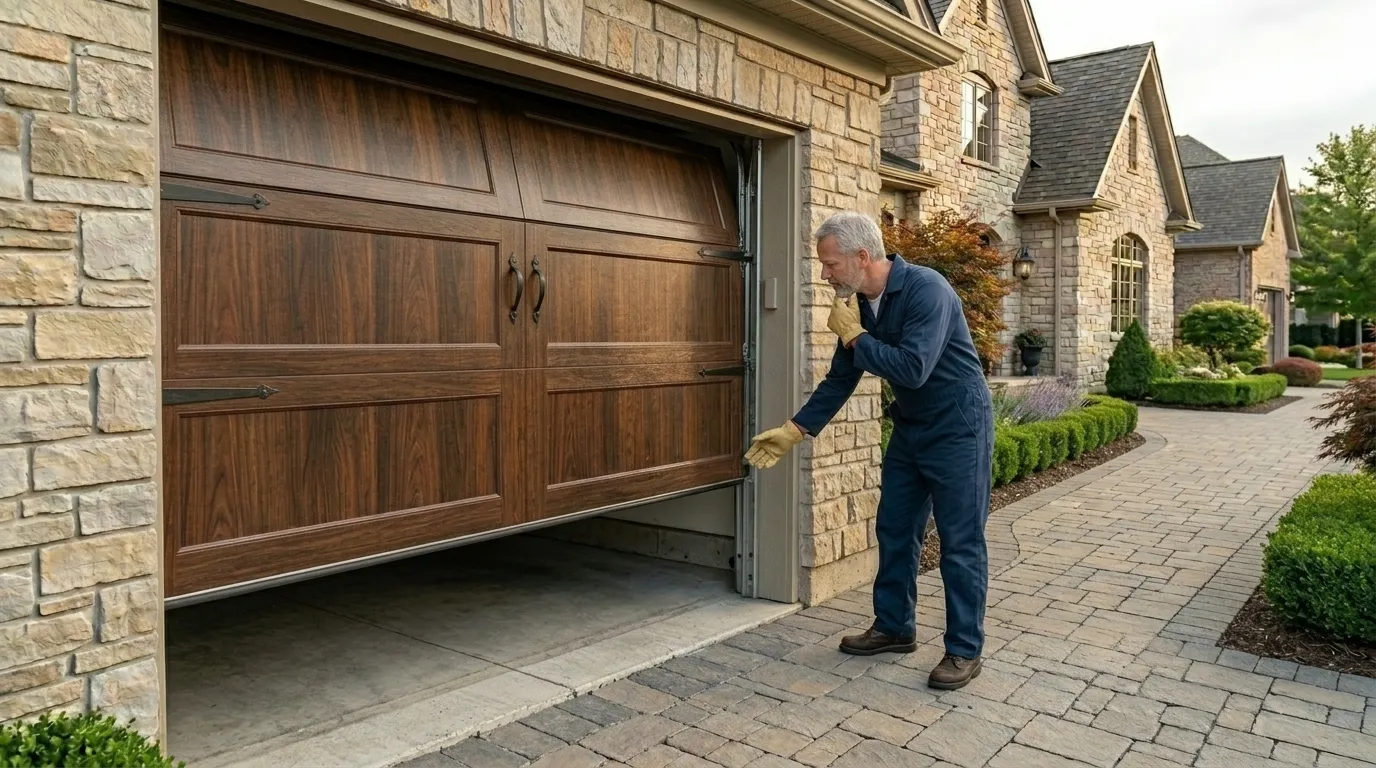
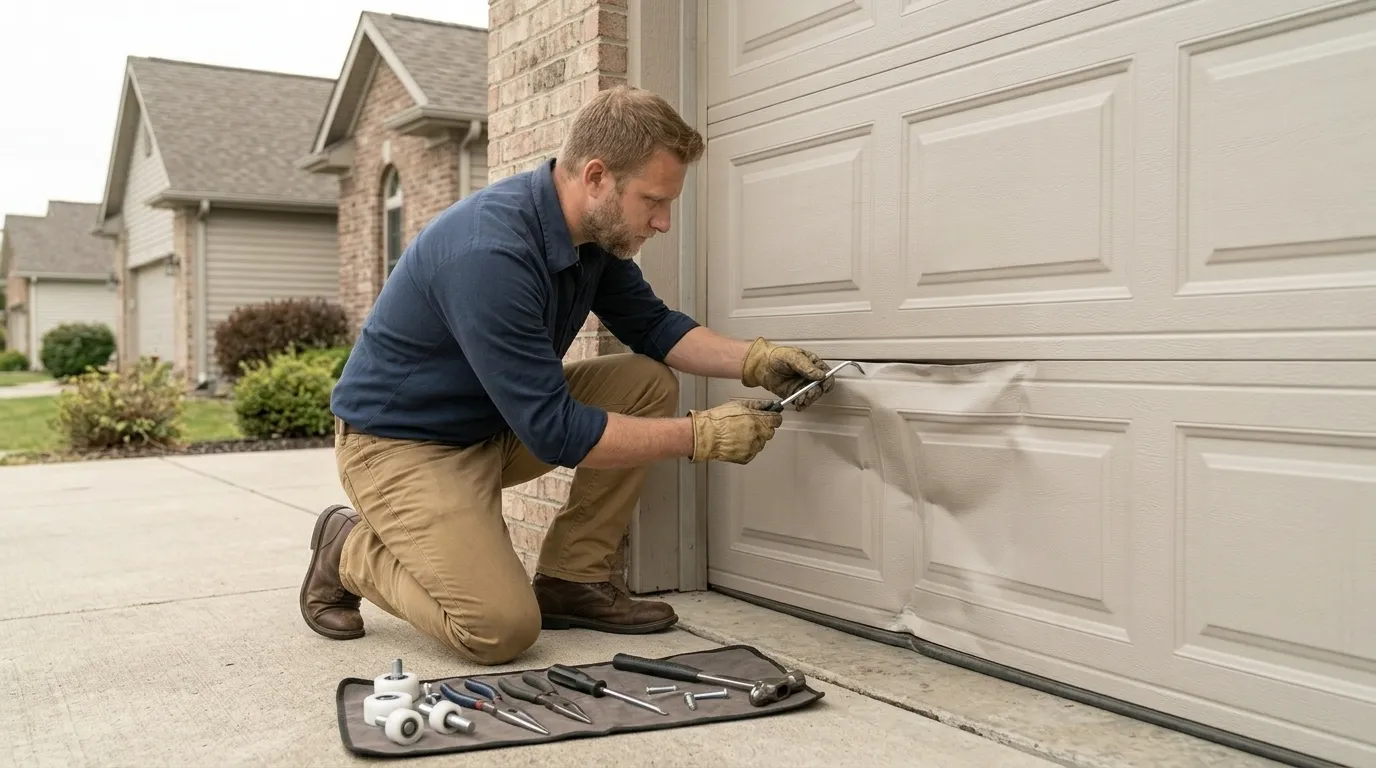
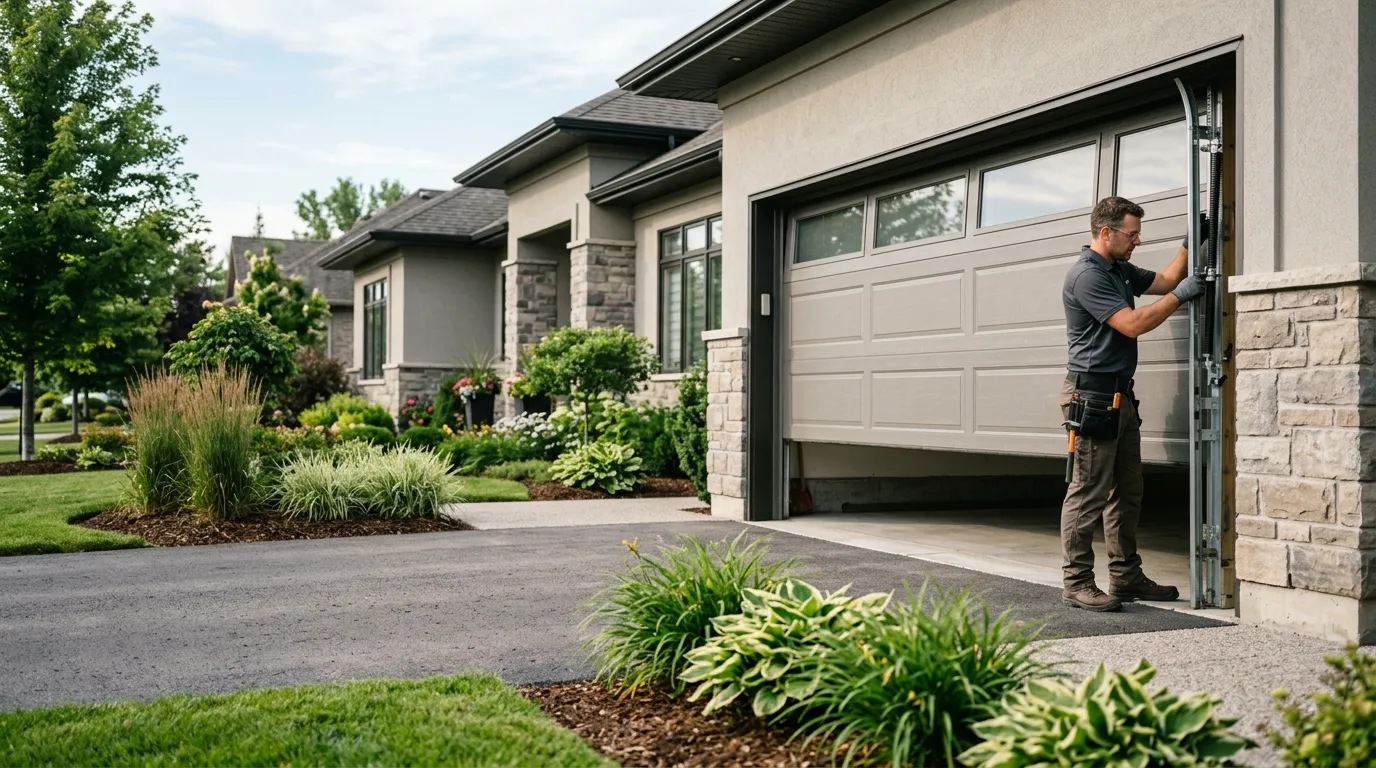
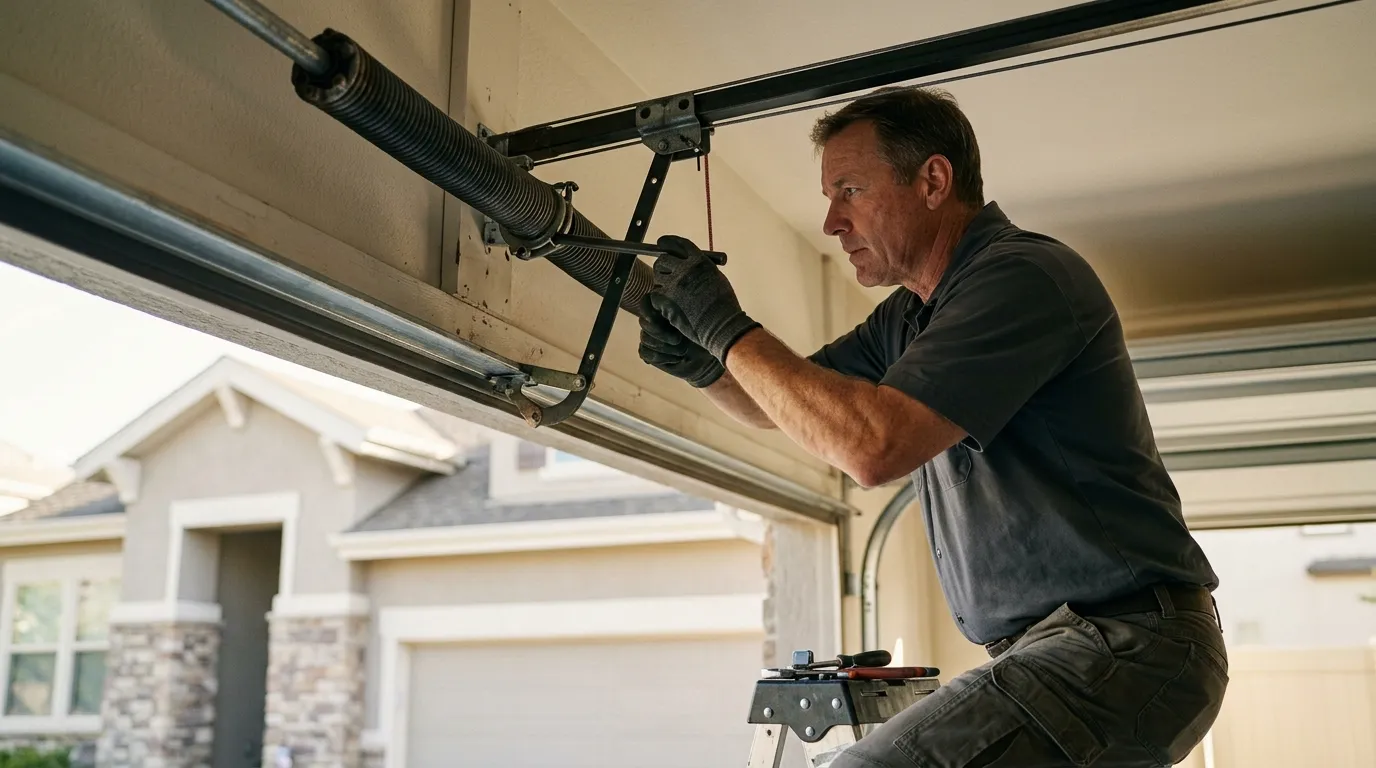
A look at doors, openers and springs we've installed and serviced across the Hollywood metro.
Where We Work
Neighborhoods across the city and suburbs around the metro. Not sure if we reach you? Just ask.
Local Expertise
Most of the doors we get called on in Hollywood went up somewhere between 1953 and 2005, with a lot of the stock clustering around 1973. That means a huge share of the panels and tracks out there are original or close to it - steel that's thinner than what's sold today, hinges worn oval instead of round, rollers that have been grinding on the same rail for decades. If your door is from that first wave and the spring just went, replacing the spring alone is usually the right call. But if the track is bent, the bottom panel is rusted through, and the opener is the original chain-drive unit, you're not fixing a door anymore - you're patching three separate failures on borrowed time. We'll tell you straight when a repair is throwing money at a door that's done. We don't push replacement to pad a ticket, and we don't keep billing you for a door that needs to be retired. Sometimes the honest answer is that a $200 repair buys you six more months on a door that's going to need $1,800 of work next year anyway. We'd rather say that up front than have you call us back in the fall.
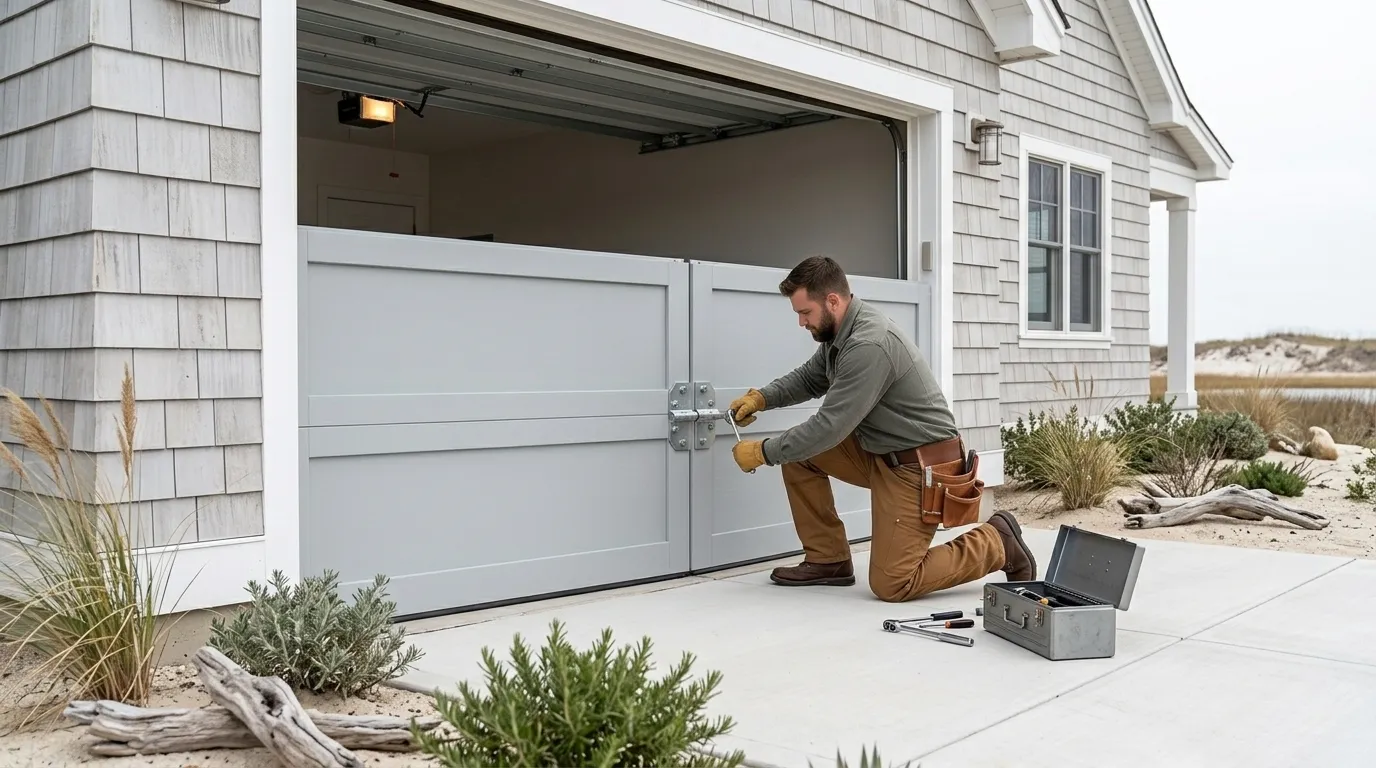
With a service area built out mostly in the 1960s and '70s across roughly 40 named neighborhoods - Park East, Emerald Hills, Hollywood Hills, the 441 Corridor, Boulevard Heights, and the rest - the calls repeat in predictable ways. Torsion springs on doors from that era were sized for lighter steel panels, so when a homeowner upgrades to an insulated door and keeps the old spring, it fails early. We see a lot of that. We also see rollers seized from years of humidity exposure - this is a mild temperate climate, not the freeze-thaw damage other regions deal with, but the moisture still eats galvanized coating over 40-plus years. Openers from the original build cycle are mostly gone now, replaced once or twice already, so most opener calls are newer units with a bad logic board or a misaligned safety sensor rather than motor failure. Cable fraying at the bottom bracket is common on doors that have never had the cables replaced since installation. What we don't see much of: doors that need work because of snow load or ice - that's simply not a factor here, and we're not going to invent a story about weather damage that doesn't happen in this climate.
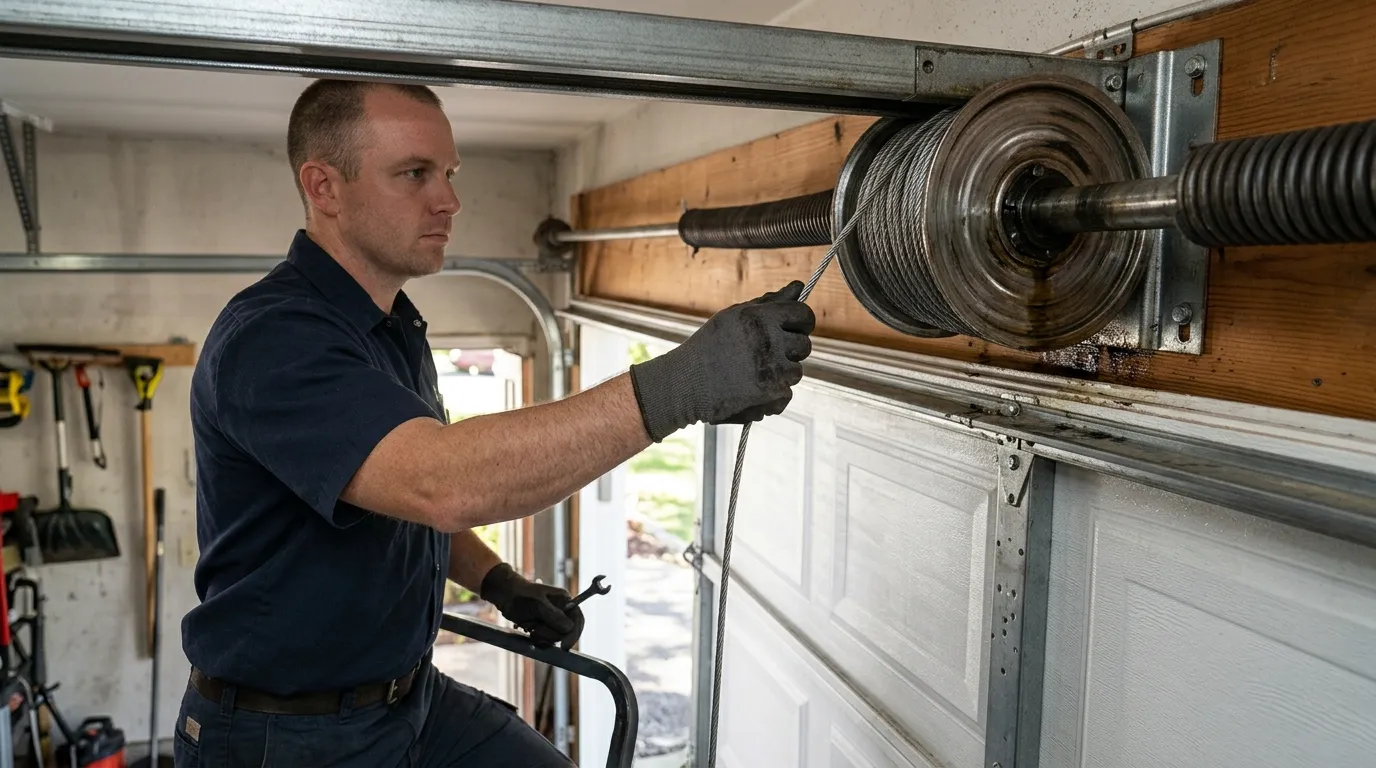
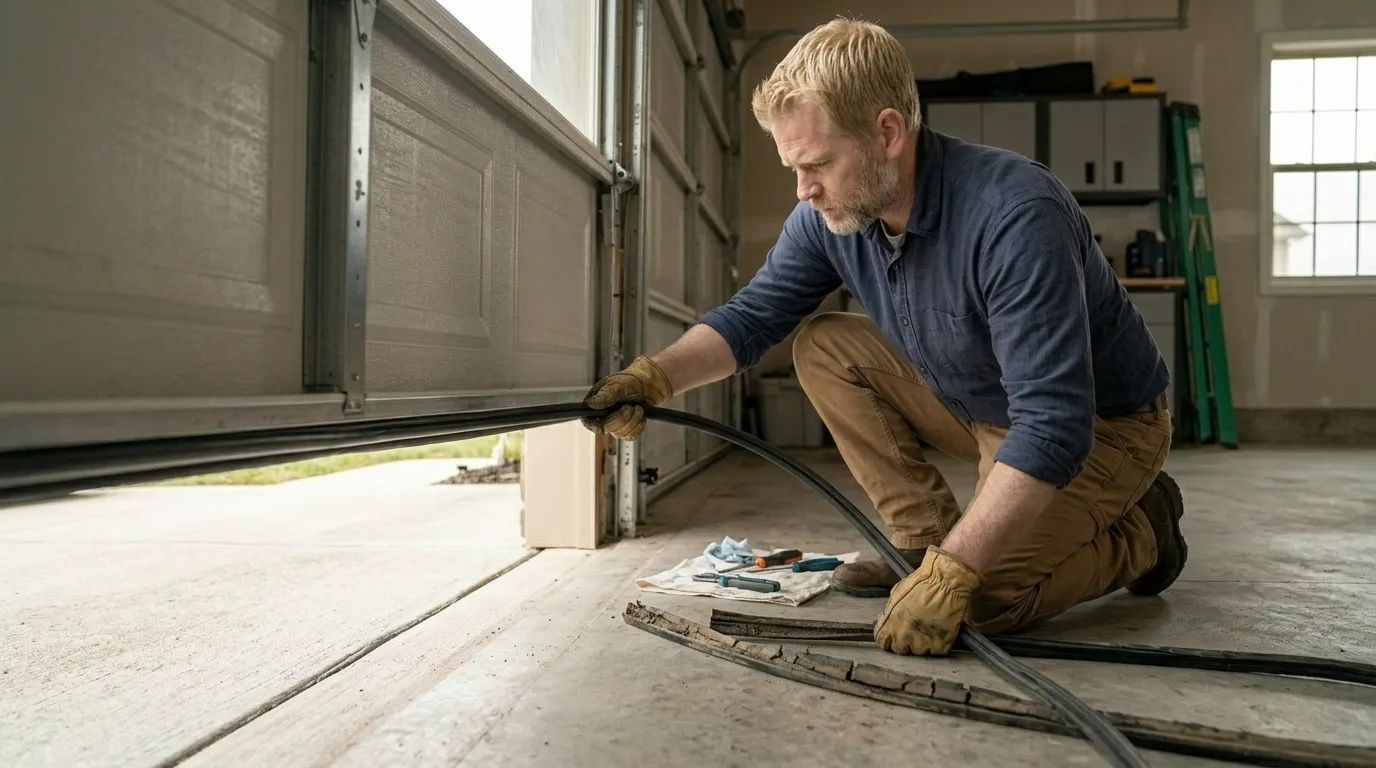
We come to the address, look at the door with the panel up and moving, and tell you what's actually wrong before we touch anything - not just what part failed, but why, given the age and type of door. On a 50-year-old door that's original to the house, that might mean pointing out that the hardware is a discontinued size and a full replacement makes more sense than sourcing a part. On a newer door, it's usually a straight parts swap. We carry common spring sizes, rollers, and cables on the truck, so most single-issue jobs get fixed the same visit. If a job needs a part we don't stock - certain opener boards, some older panel styles - we'll tell you that on the spot and give you a real timeline instead of a vague one. We're not going to quote you a job over the phone without seeing the door; too much of what breaks on a house from this area depends on what's underneath the trim, and guessing costs you money either way it goes.
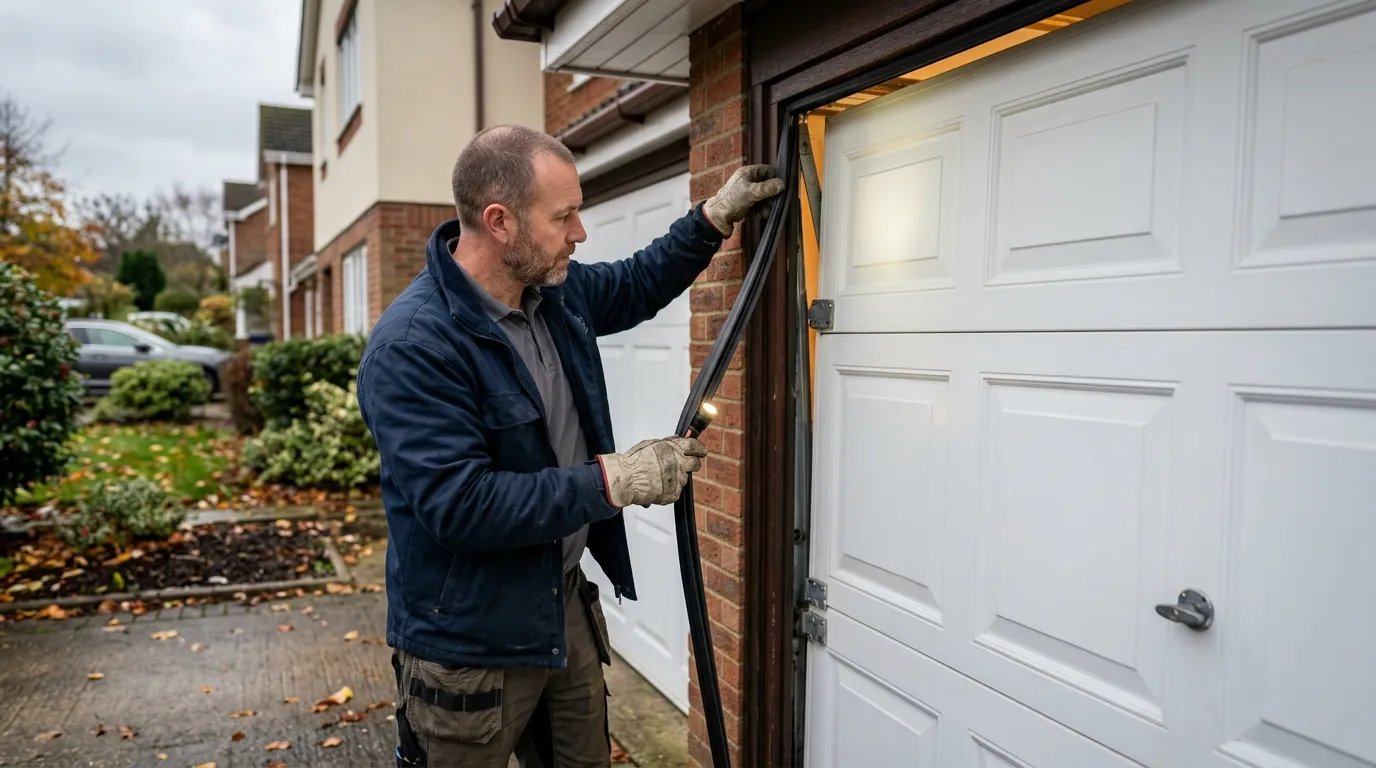
Hollywood Garage Door Co works the neighborhoods close in - North Central and Royal Poinciana sit within a couple miles, Park East and Emerald Hills a little further out, and we run out past Dania Beach, Pembroke Park, and West Park as well, with calls reaching toward Ives Estates and Ojus on the north end. Across this service area there are 480,563 households and 115,371 owner-occupied houses, and the housing itself skews older than what you'd find in newer-built parts of South Florida - the 1953 to 2005 build range, centered around 1973, shows up directly in the doors we replace. A lot of the original garage openings were sized for single-layer steel doors on side-mounted torsion springs, a setup that's fine until the spring goes and the replacement stock for that exact configuration is thin. Median household income across the area sits at $60,917, which tracks with what we see on service calls - most owners want the door fixed right, not necessarily the newest model on the market. The climate here is mild temperate, so we're not dealing with the frozen track or snow-load failures other regions see; humidity and salt air over decades are the bigger long-term wear factors on hardware in this area.
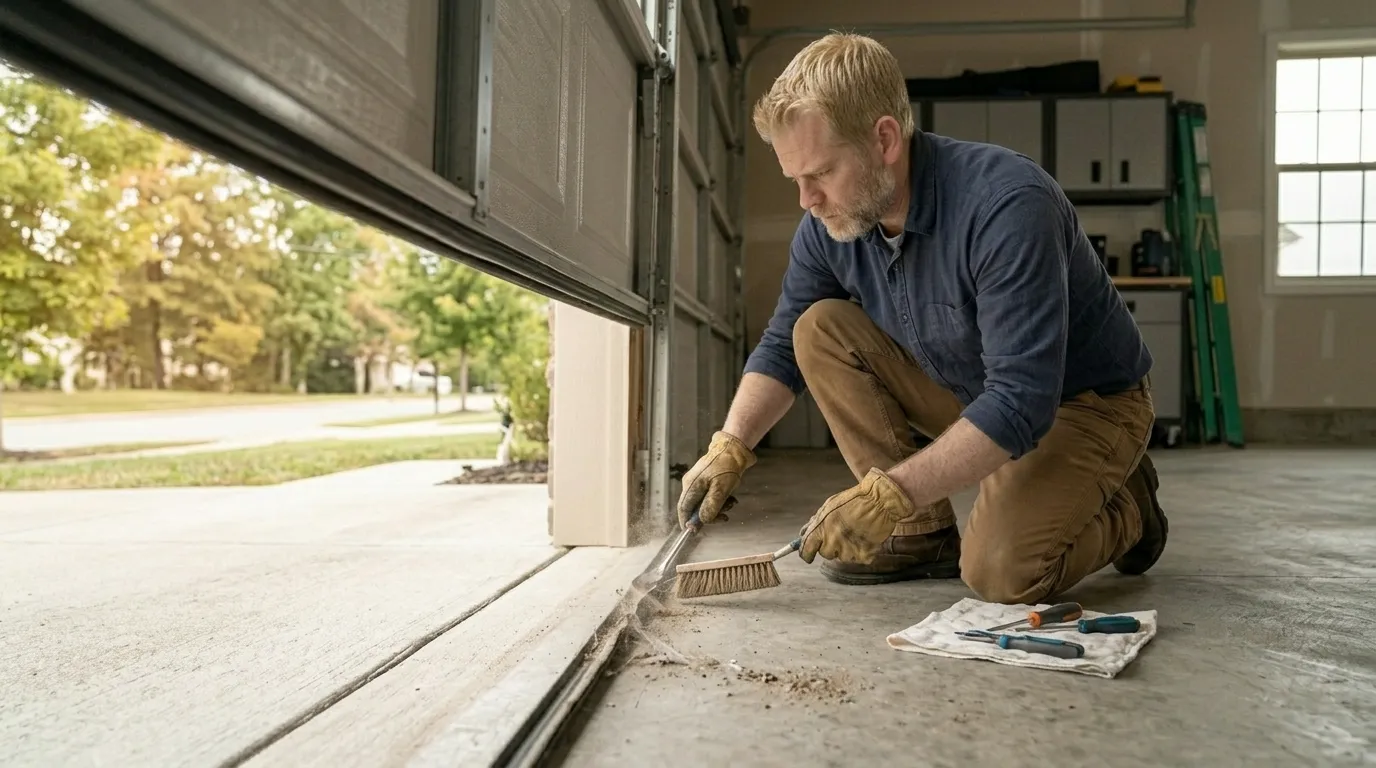
We don't have a price sheet to publish here, and we're not going to make up numbers to fill this section. What we can tell you is what drives cost on a job in this area: age and configuration of the door matter more here than almost anywhere else, because so much of the housing stock predates current standard sizing. A repair on a door built to 1970s spec can cost more in labor than the same repair on a 2005 door, simply because the parts aren't a shelf item anymore and the tech has to work around hardware that isn't quite standard. Spring replacement, roller replacement, and cable work are priced differently depending on whether your door is original or has already been through one upgrade cycle. We'll always give you the number before we start, based on what we see at your door, not a phone estimate.
Good to Know
A lot of homes in this area were built in the 1960s and '70s, and torsion springs from that era were sized for lighter, single-layer steel doors. If the door's been upgraded to insulated panels since, the original spring size is often under-rated for the new weight, so it wears out faster than it should.
Yes, both are within a few miles of our main service area and we run calls there regularly, along with West Park, Ives Estates, and Ojus further out.
It depends what's failed. A spring or roller swap on an otherwise sound old door is usually worth doing. If the track is bent and the panel is rusted through on top of that, you're often better off putting that money toward a new door instead of chasing three repairs at once.
This is a mild temperate area, so we don't see freeze-related track failures. What we do see is galvanized coating wearing down on rollers and hardware faster over the decades due to consistent moisture and salt air, especially on doors that have never been serviced.
Call now or request a free quote - same-day service on most repairs, upfront written pricing.